I had to look for multiple examples myself before I was sure I wasn't being oversensitive. As I said, I'm sure there's no ill intent, and in a way I'm not surprised either, because as my son himself found out, if you're going to draw line art - especially with clear, thick lines like this, then accurately representing black or mixed hair without it turning into a caricature that'd be even worse is a skill.
And one that is very likely underrepresented in the training set for no fault of theirs.
And this is why getting diversity "right" (so not the Gemini fiasco way) is hard - you can be extremely well meaning and just not have it register until someone for whom it's personal looks at it.
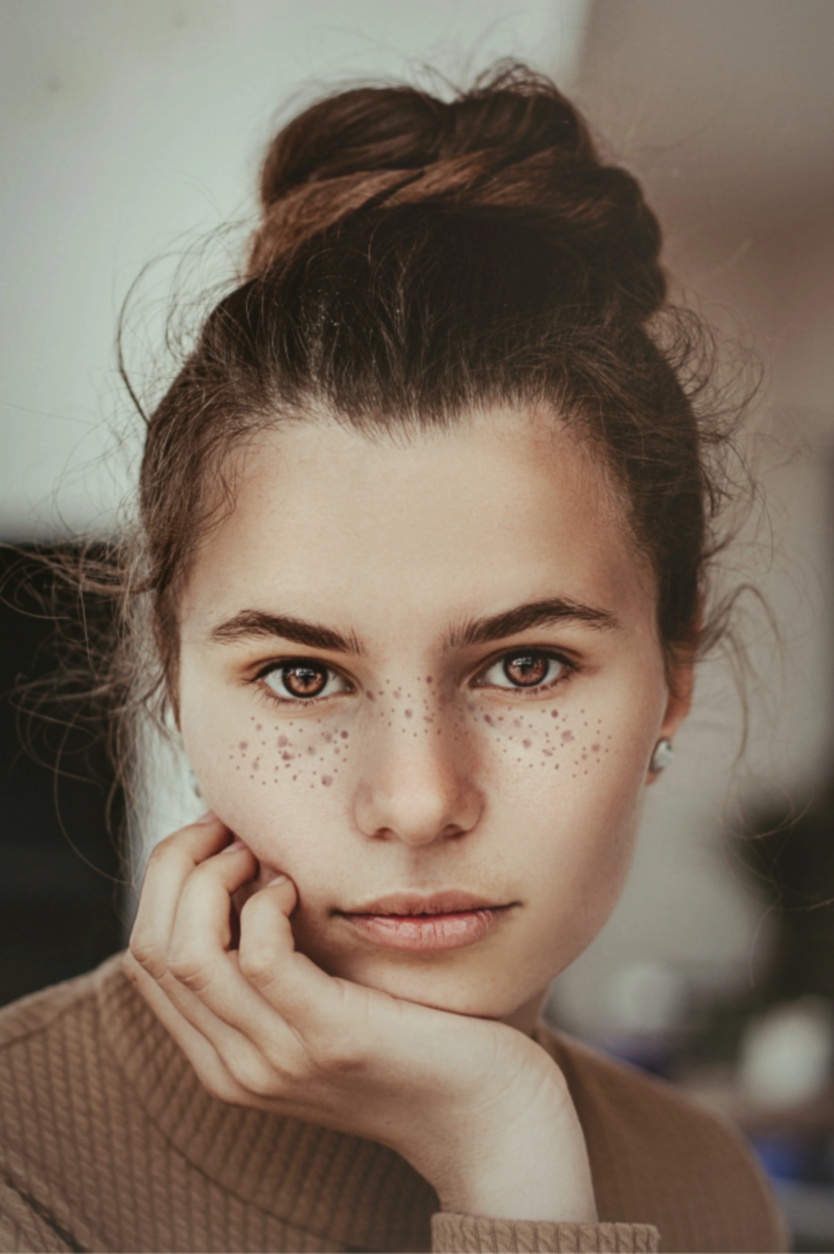
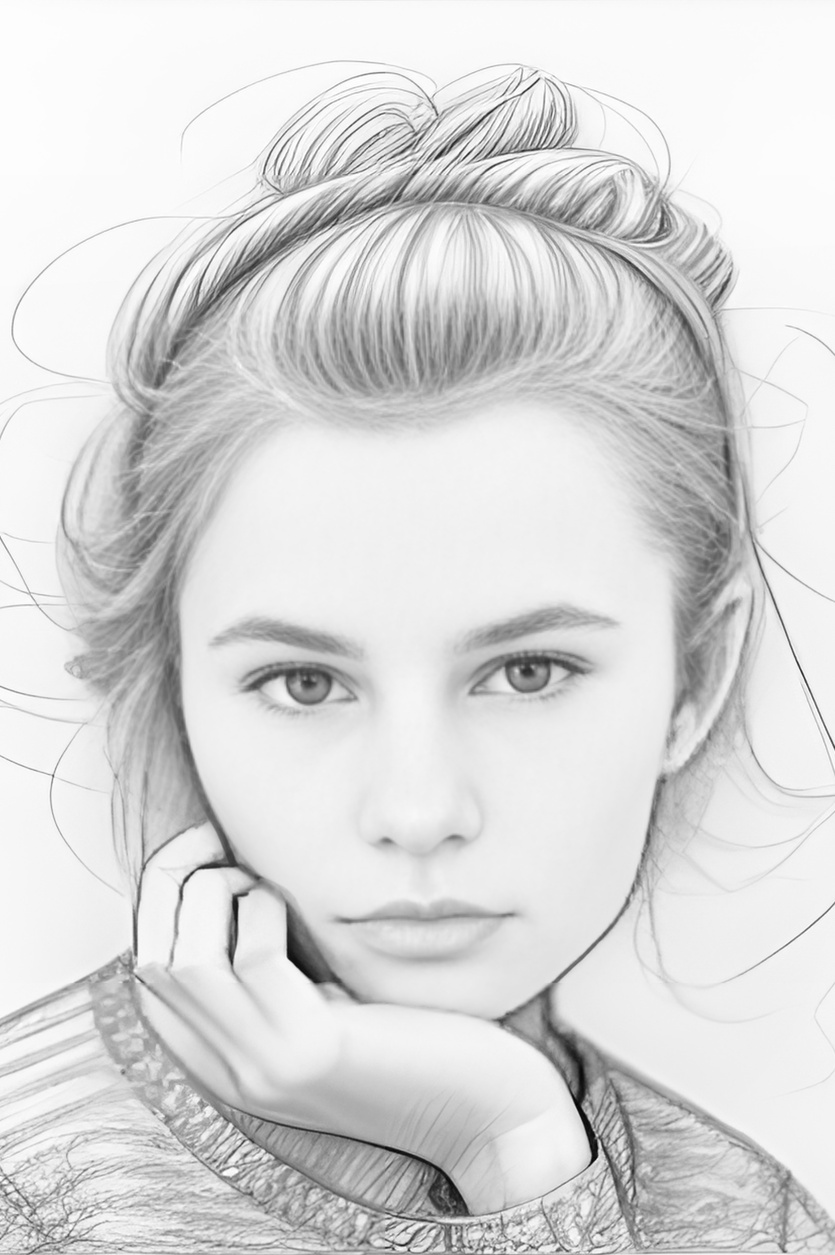
Looks like it takes considerable "artistic license" to deviate from the photos. Every person getting turned into a stereotypical "caucasian" type is the most noticeable (and most problematic), but also the spotted cat in one of the pictures gets a "stereotypical" tabby coat. Also, it likes to insert a horizon, even if the original image doesn't have one, and sometimes it completely changes what's in the background. But I assume this is because of the images in the training set - I guess in coloring books most people have light-colored hair (which can then be colored brown, black, red... whatever) and the model then associates that with stereotypical blondes?
There are several modes (https://portraitart.app/portrait-art) - some of them are better at keeping people looking like they originally look, the "coloring page" mode seems to be the most "heavy-handed"...
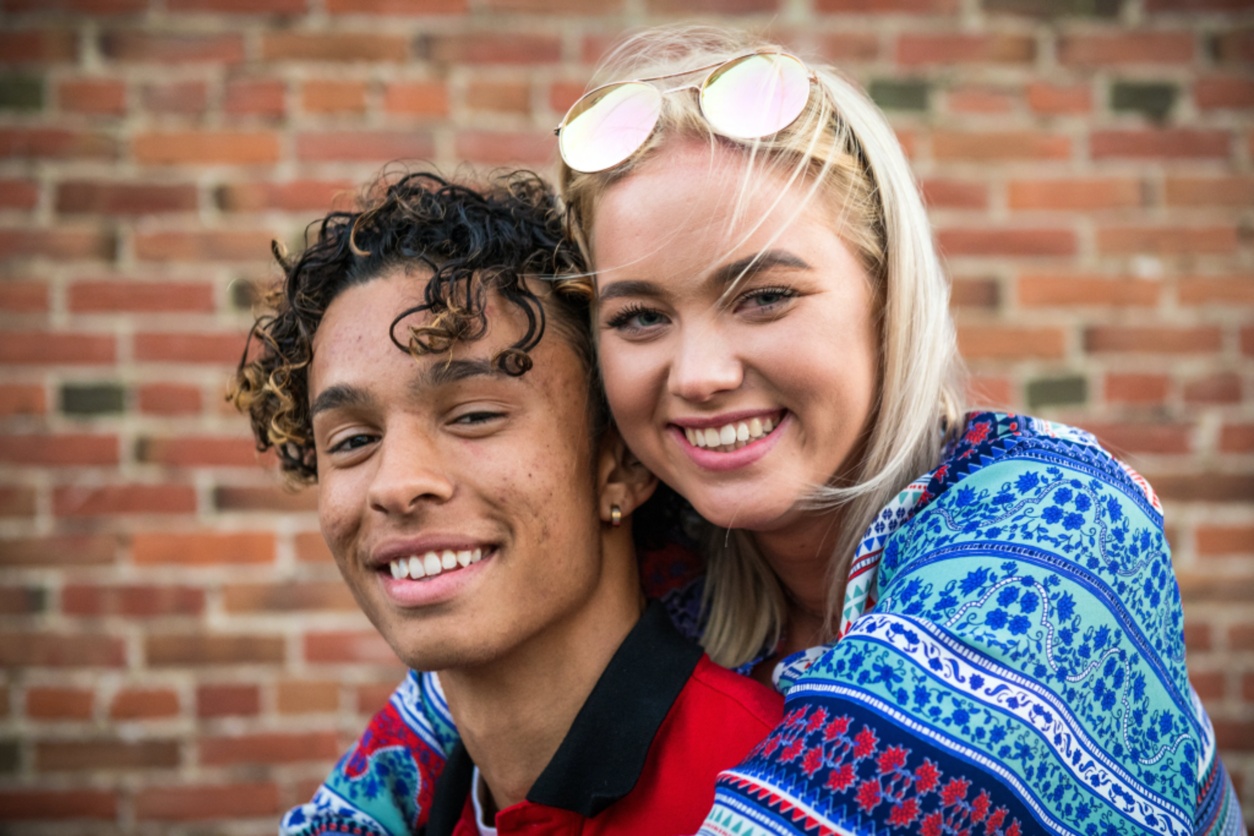
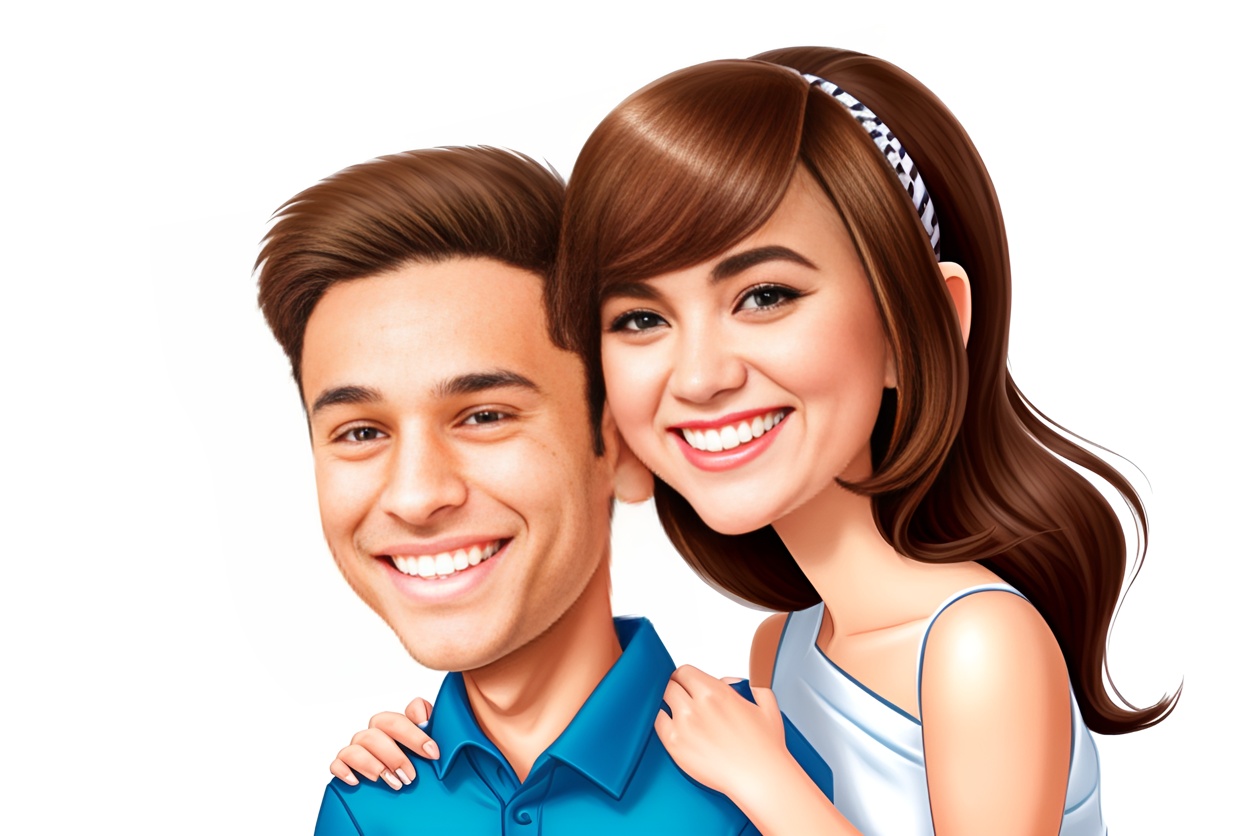
After some further browsing, the "caricature" mode seems to be the strangest - caricatures are supposed to take the characteristic traits of a person and exaggerate them in a humorous way, while these images sometimes lack even the slightest resemblance to the original. For example, this mixed race couple https://portraitart.app/static/gallery/couple1_original_1024... is not only turned into two brunettes https://portraitart.app/static/gallery/couple1_caricature_10..., but they also have a different pose, different hairstyle and wear completely different clothes...
Thanks for calling this out. I think the dev cycle for production AI Systems will involve a lot of bug squashing on this kind of thing. These models handle a huge variety of inputs; by definition much more than you could hand code. It’s hard to even identify systematic failures.
Once a failure mode is known - like here - how do you fix it? The foundational problem is minorities are a minority of the training set. Good training data is expensive, so how can we practically boost representation without getting the Gemini fiasco?
One idea: start with the best coloring books. Presumably some human has mastered the art of “accurately representing black or mixed hair without it turning into a caricature”. Find them, and start buying their art. When they have drawings based on photos, use that training pair. When they have line art only, use a style transfer tool (like this one!) to convert to a photo. That gives you another pair for use in the other direction.
Another idea: make it easy to users to flag poor transfers. Add a “whitewashed” option to the standard mod report flow. Feed that into RLHF. Get better.
Another idea: focus dev cycles on this. Once you have a system to flag problems and address them, use all this fancy AI to identify input photos with black/mixed hair. Manually inspect how the model performs and push feedback into the next training cycle.
> Presumably some human has mastered the art of “accurately representing black or mixed hair without it turning into a caricature”
There absolutely are good examples, yes, and I think you're right that the failure of capturing it is largely down to volume in the extant datasets, and particularly in datasets that provide a direct match for the type of line-art colouring in style, which is in itself fairly dated.
I agree with all of your recommendations. I think it's definitely a problem that will be solved. The main thing is for people to get used to looking for it.
It's galling for me once pointed out because I know that a lot of black people have totally different hair to the degree that it's a separate skill to cut that hair versus white people hair. I knew someone who would only have her sister cut her hair because none of the stylists in town could cut it without ruining the shape. They'd use the same tools and techniques as with perfectly straight hair and would destroy it. The hair is something that seems intensely personal and to have it erased and morphed so completely is really broken.


And one that is very likely underrepresented in the training set for no fault of theirs.
And this is why getting diversity "right" (so not the Gemini fiasco way) is hard - you can be extremely well meaning and just not have it register until someone for whom it's personal looks at it.